7-Day Sleep Reset: Guided Audio for Deeper Rest
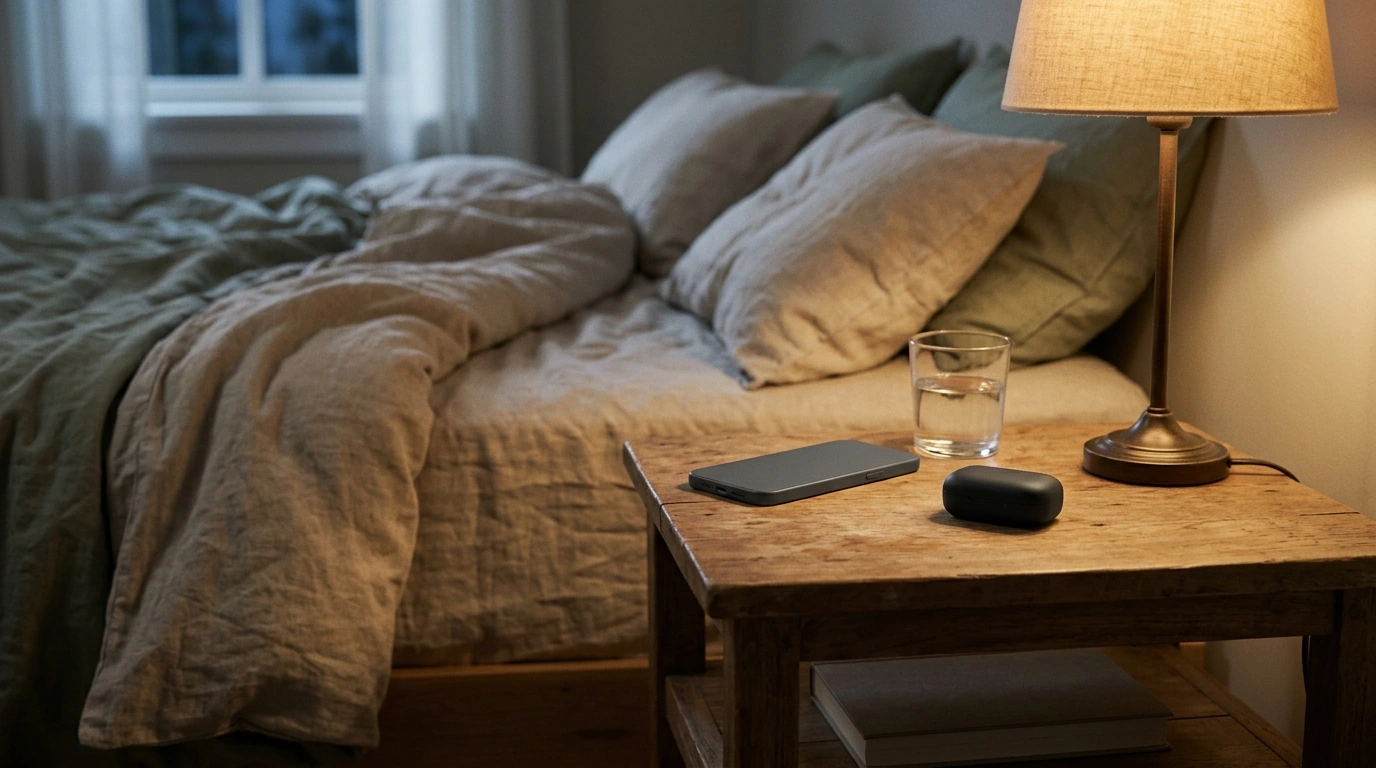
Sleep Reset: A 7-Day Guided Audio Routine for Deep Relaxation and Restful Nights
Rest can feel out of reach when the mind stays switched on at bedtime. Sleep Reset: Guided Audio Course for Restful Nights is a guided audio course designed as a simple 7-day routine that supports winding down, relaxing the body, and creating a steadier path into sleep—especially on nights when stress, racing thoughts, or an inconsistent schedule get in the way.
What Sleep Reset Is and Who It’s For
Sleep Reset is a structured, day-by-day guided audio program built around one main idea: make your pre-sleep routine easier to start and easier to repeat. Instead of negotiating with yourself about what to do at bedtime, you press play and follow the guidance.
- A structured guided audio program focused on calming the nervous system before sleep
- Designed for occasional sleeplessness, difficulty falling asleep, middle-of-the-night wakeups, or nighttime anxiety
- Helpful for busy schedules because it reduces decision fatigue and keeps the routine simple
- A non-pharmacological option that can complement healthy sleep habits and professional care when needed
For a quick overview of insomnia and when it may require extra support, see the NHLBI overview of insomnia. For broader sleep guidance and sleep disorder basics, the CDC sleep resources are a helpful starting point.
What’s Included in the 7-Day Routine
The course is designed to feel familiar by the end of the week. Each day reinforces the same overall “downshift” pattern—settle in, release tension, soften attention—while changing the emphasis so the routine doesn’t feel stale or overly effortful.
- Guided sessions that blend relaxation cues and mindfulness-style attention training to ease mental chatter
- A progressive approach that builds familiarity: settling in, releasing tension, and practicing a repeatable pre-sleep ritual
- Common sleep meditation techniques such as breath pacing, body relaxation, and gentle visualization
- A format that can be repeated beyond the first week for ongoing support
7-Day Sleep Reset Flow (Example Focus for Each Day)
| Day | Primary focus | What to notice |
|---|---|---|
| Day 1 | Downshift from the day | How quickly the body responds when attention slows |
| Day 2 | Breath-led calming | Exhale length and jaw/shoulder release |
| Day 3 | Full-body relaxation | Where tension hides (neck, hips, hands) |
| Day 4 | Letting go of thoughts | Thoughts as events—not tasks to solve |
| Day 5 | Soothing imagery | A stable, comforting mental scene |
| Day 6 | Reset after a tough night | Reducing pressure to “perform” sleep |
| Day 7 | Make it a repeatable ritual | A consistent sequence that feels automatic |
How Guided Audio Helps When Sleep Won’t Happen
When sleep feels “stuck,” the issue often isn’t a lack of effort—it’s too much effort in the wrong direction. Guided audio helps by shifting your focus away from problem-solving and toward a calmer, more permissive state that’s compatible with sleep.
- Provides a steady external focus, reducing spiraling thoughts at bedtime
- Encourages parasympathetic activation through slower breathing and muscle release
- Supports stimulus control by associating the bed with calm cues rather than worry or scrolling
- Helps interrupt “sleep effort,” replacing it with softer attention and less pressure
If you’re curious about how mindfulness and meditation are commonly used for stress and relaxation, the NCCIH guide to meditation and mindfulness offers a practical, evidence-informed overview.
How to Use the Course for Best Results
Consistency beats intensity. The goal is to build a wind-down groove your body recognizes—so even on a stressful night, the routine still “counts” as a cue for calm.
When This May Not Be Enough (and What to Do)
Sleep Reset at a Glance
Quick Comparison: Common Wind-Down Options
| Option | Pros | Trade-offs |
|---|---|---|
| Guided sleep audio routine | Easy to follow; reduces mental effort; consistent cue for relaxation | Works best with repetition; may take a few nights to feel natural |
| White noise/fan | Masks external sounds; simple | Doesn’t guide attention away from racing thoughts |
| Breathing without guidance | Free; flexible | Harder to stick with when stressed |
| Scrolling/videos | Feels distracting short-term | Light and stimulation can worsen sleep difficulty |
Product Details and Where to Get It
If you want a straightforward, repeatable wind-down plan, Sleep Reset: Guided Audio Course for Restful Nights – 7-Day Sleep Meditation, Deep Relaxation, Insomnia Relief is designed to be used nightly and repeated beyond the first week as your default bedtime routine.
For daytime mental clarity that can also reduce “unfinished-task” stress at night, consider pairing your bedtime routine with structured thinking practice earlier in the day using the Critical Thinking & Problem Solving eBook. Less mental clutter during the day can make it easier to downshift when it’s time to sleep.
FAQ
How long should the course be used to notice a difference?
Many people notice small shifts within the first week, but the biggest benefit often comes from repeating the routine for 2–4 weeks so the wind-down sequence becomes familiar and automatic.
Can it help if waking up in the middle of the night is the main problem?
Yes—replaying a familiar guided session can reduce alertness and rumination, helping the body return to a calmer state. Keep the volume low and avoid checking the time.
Is this a substitute for CBT-I or medical care?
It’s a supportive relaxation tool and routine-builder. For persistent or severe insomnia, CBT-I and an evaluation for underlying issues (like sleep apnea, anxiety disorders, or medication effects) are recommended.












Leave a comment